
A net zero future is coming
Achieving net zero emissions is essential to securing a sustainable future for people and the planet. As an energy business, we have an important role to play in supporting this transition. We are committed to decarbonising our own operations and supporting customers as they transition to lower-carbon energy, while ensuring energy supplies are secure, cleaner and competitive.
DCC ENERGY'S CLIMATE AMBITION
Our ultimate ambition is to achieve Net Zero by 2050 or sooner. Managing the energy transition is central to our strategy, with both the opportunities and risks of the shift to a low carbon economy embedded in the way we run our business.
-
Our goal
50% reduction in scope 1 and 2 GHG emissions by 2030
This is measured against a 2019 baseline and involves reducing emissions from our own operations across transport, heating and purchased electricity -
Our goal
35% REDUCTION IN SCOPE 3 GHG EMISSIONS BY 2030
This is measured against a 2022 baseline and involves reducing emissions associated with customers using the products we sell
PROGRESS
4%
REDUCTION
Annual reduction in Scope 3 emissions
7%
REDUCTION
Annual reduction in Scope 1 and 2 emissions
CDP A
RATING
Recognised among the top 4% of nearly 20,000 companies assessed on climate-related topics
Our approach in practice
Our strategy supports customers through the energy transition while growing our business and reducing the carbon intensity of our energy offering. We are doing this through liquid gas, biofuel solutions and a scalable energy services business. By providing practical, lower-carbon alternatives for customers at different stages of their transition, we help bring decarbonisation closer.
HVO Calculator
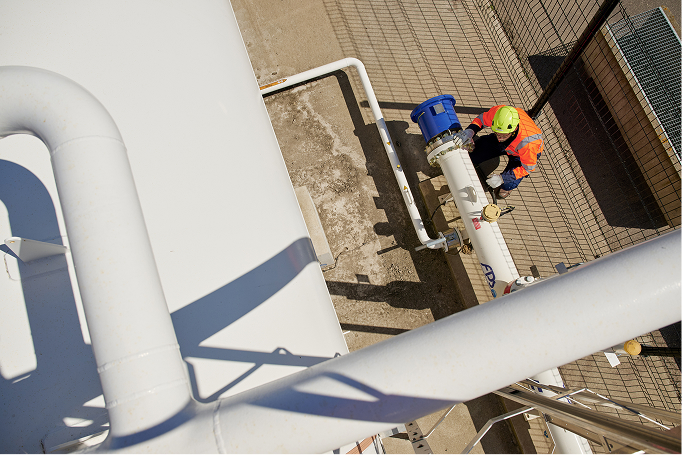
Certas Energy UK has created the industry's first HVO fleet balancing calculator, helping fleet operators understand the cost and emissions impact of blending HVO with traditional diesel and supporting informed, practical decisions on fleet decarbonisation.
Resilient Solutions
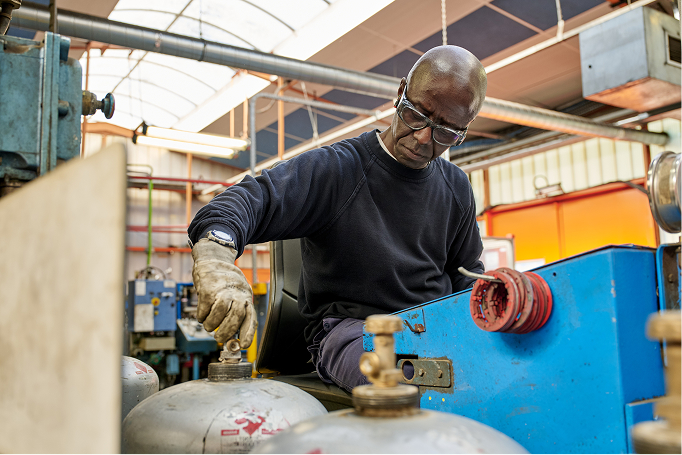
DCC Energy GB is supporting customers with tailored backup power solutions that strengthen energy security and operational resilience, helping to safeguard critical operations while supporting sustainability ambitions and future growth.
Supporting a Just Transition
Butagaz is working with frontline organisations in France to help vulnerable households access energy-efficiency improvements, reducing energy consumption and costs while supporting a fair and inclusive transition to a lower-carbon future.
CLIMATE RISK APPROACH
Climate risks and opportunities are assessed and managed as a fundamental part of our governance, strategy, risk management and business management processes. Our Double Materiality Assessment, outlined in our Annual report, confirms climate physical and transition risk as key considerations for us from both an impact and financial perspective.
Climate risks, including physical and transition risk are reflected within our principal risks and reported in line with TCFD recommendations and disclosure requirements.
Physical risk
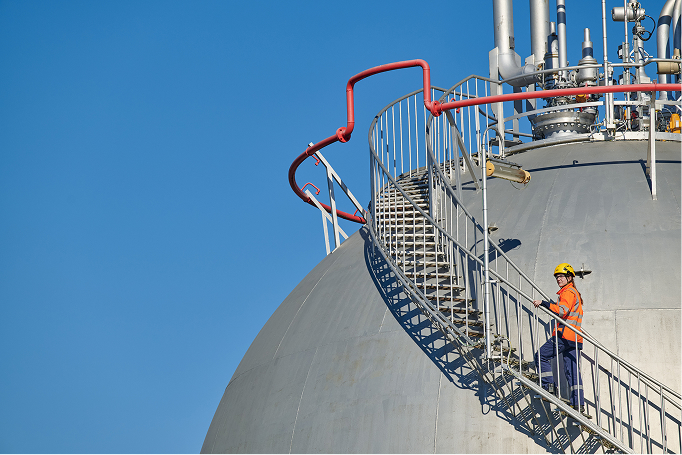
We assess and manage physical climate risks across our operational footprint using a recognised third-party tool, helping us understand potential impacts and strengthen the resilience of our sites and operations.
Transition risk
We consider external climate scenarios, using reasonable assumptions as to how certain factors, such as regulation, product availability and customer demand are likely to develop, to estimate the impact of climate change on our strategy and business activities.
CLIMATE DOWNLOAD
Our climate disclosures are prepared and dislcosed in line with best practice standards, such as the GHG Protocol. For further information please download the following documents.
GHG reporting methodology
Read this next
Health and Safety
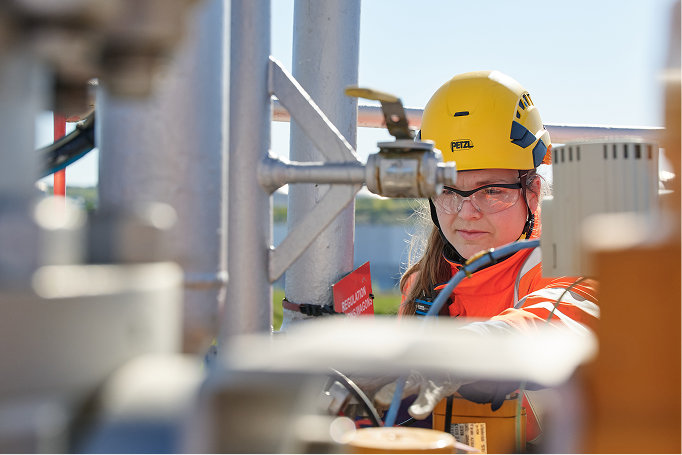
We are committed to the safety of everyone we work with — our goal is zero accidents, every day, across all of our operations.
Our people
We are committed to building a vibrant, inclusive and innovative place to work and to being a positive presence in the communities we serve.

Business conduct
We are committed to operating with the highest standards of ethics, compliance and corporate governance across everything we do.
2026 Annual Report
DCC Energy continues to prepare for CSRD reporting and align its disclosures with ESRS, ahead of mandatory reporting now expected from 2028.